


What is Plastic?
Plastic is a general term describing many synthetic or semi-synthetic materials used in a wide and growing number of applications.Plastics are artificial or natural, mostly organic materials that can be softened by heat or pressure, shaped by various methods, and can maintain their shape when cooled.
What is plastic made of? What is the raw material of plastic?
Plastic is the common name for a wide variety of artificial materials that can be easily shaped by molding, rolling or any other technique. Although plastic is also produced from natural resources such as coal and cellulose, the most important source of plastic raw material is petroleum.
Plastics are made of carbon, hydrogen, oxygen, nitrogen and other organic or inorganic elements called monomers; They are materials obtained by breaking the bonds in simple molecular groups and transforming them into a long and chain structure called polymer.
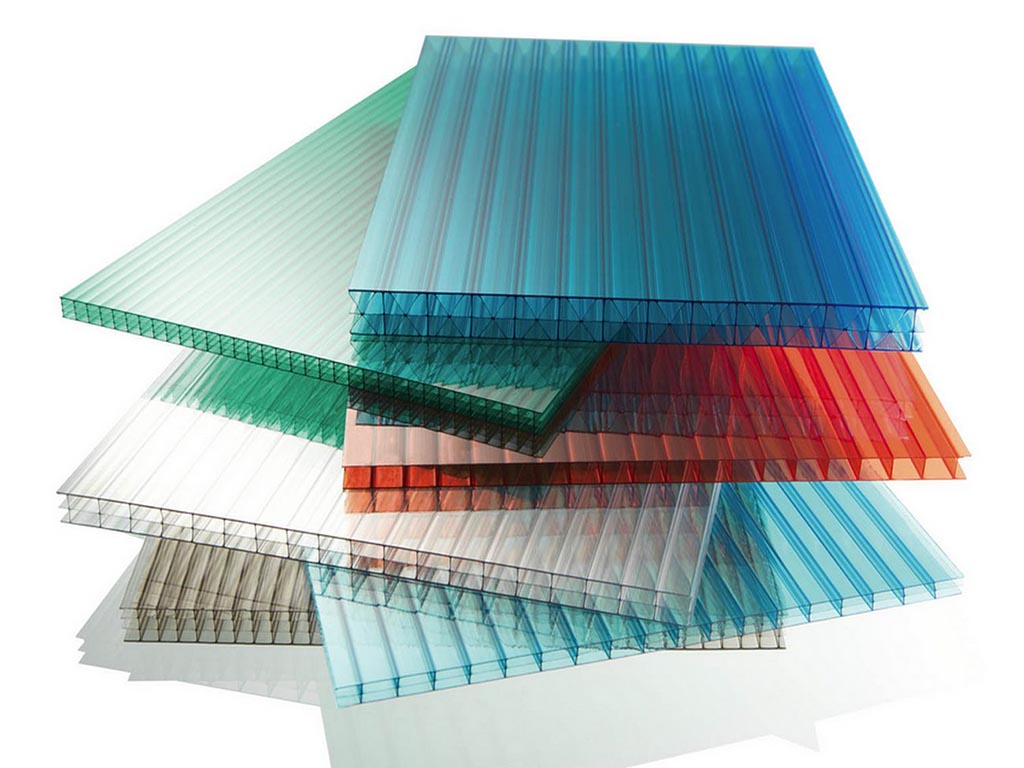
The word plastic comes from the Greek word plasticos, meaning shaping. Although rubber and other similar natural products are sometimes included in the definition of plastic, the modern definition also excludes plastics. It is also difficult to distinguish between resins and plastics. Most artificial materials can be called both resin and plastic. In the past, the word resin was used for products that could replace natural products in the composition of coating materials, and the word plastic was used for materials that went through a molding process during production.
The most important feature of most plastics is that they soften without melting when heated, can be easily shaped mechanically when they are soft, and harden again when cooled. This feature arises from the molecular structure of plastics. Plastics consist of a multi-network of polymer molecules; Polymers form long molecular chains that relax and separate under heat and intertwine again when cooled. These polymer chains are held together by very weak forces such as London, Van der Waals and dispersion forces, or stronger forces such as hydrogen bonds and dipole-dipole interactions. When the material is heated, these forces weaken and the intertwined polymer chains separate and slide over each other. When the material is cooled, it hardens by interlocking to form a network again. All plastics are obtained as a result of a polymerization process.
Plastic materials are divided into two main classes: thermosetting (thermoset) and thermal softening (thermoplastic). Thermosetting resins do not dissolve or melt when heated. Phenolic resins, furan resins, aminoplasts, alkyds and unsaturated acid polyesters, epoxy resins, polyurethanes and silicones are types of thermosetting resins. Thermosoftening resins, unlike thermosetting resins, can be melted and hardened many times. Cellulose derivatives, addition polymers (such as polyethylene, polypropylene, vinyl acrylics, fluorocarbon resins and polystyrenes) and condensation polymers (such as nylons, polyethylene terephthalate, polycarbonates and polyamides) are thermosoften resins.
Plastics can be shaped by a variety of methods. The extrusion method, in which powdered plastic is melted and compressed by a screw conveyor in a hot or cold chamber and pulled through a sink, is one of the leading plastic processing techniques. There are also other plastic processing techniques such as rolling, thermal hardening in hydraulic presses, injection molding, spin molding using centrifugal motion, thermoforming, vacuum molding, sheeting under pressure, and casting. Finishing processes such as giving different shapes by mechanical means or laser, supersonic welding, and heating processing can then be applied to the plastic products. Plastics, which are easily processed, cheap, lightweight and resistant to damage, have replaced metals in many applications. A wide variety of plastic products are used in industry and homes.